Quinet, Charles
Died on 26 September 1917
- Lived in Cambrai (Nord, France)
- Came from Hospice Général de Cambrai, in Merksplas since 20 May 1917
Grave 476
Search the registers, 1916 to 1919
During the First World War, patients and old people from asylums and hospices in northern France and Belgium were taken to the colony of Merksplas. Many died there, far from home, and were buried in the colony cemetery. Search here for an ancestor, a family name or a village.
Died on 26 September 1917
Grave 476
Grave 465
Died on 5 September 1917, aged 46 years
Grave 443
Died on 7 September 1917, aged 65 years
Grave 449
Died on 29 September 1917, aged 40 years
Grave 481
Grave 435
Died on 17 September 1917, aged about 60 years
Grave 463
Died on 8 September 1917, aged 26 years
Grave 450
Died on 18 September 1917, aged about 60 years
Grave 464
Died on 5 September 1917
Grave 445
Type a family name, a first name or a place. The names were transcribed from handwritten registers, so the search also shows names that are spelled differently but sound the same.
Every person has a page. For those in the registers of the colony it also gives the place of birth, the family, the institution they came from and the cause of death. For the others only the name, the date of death and the grave are known.
Start with a common name, or open a record from the register.
27 November
Every day of the year has its own names. These are the people who died in Merksplas on today's date.
From February 1916 the German occupier had asylums and hospices in northern France cleared, and later in Belgium too. Their residents came by train to the vagrants' colony of Merksplas: patients from Prémontré and Lille, old people from Sedan and Maubeuge, patients from Tournai and Bruges.
The colony had room, but no food and no fuel. In the winter of 1917 to 1918 people died there every day of hunger and cold. They were given a numbered grave in the colony cemetery.
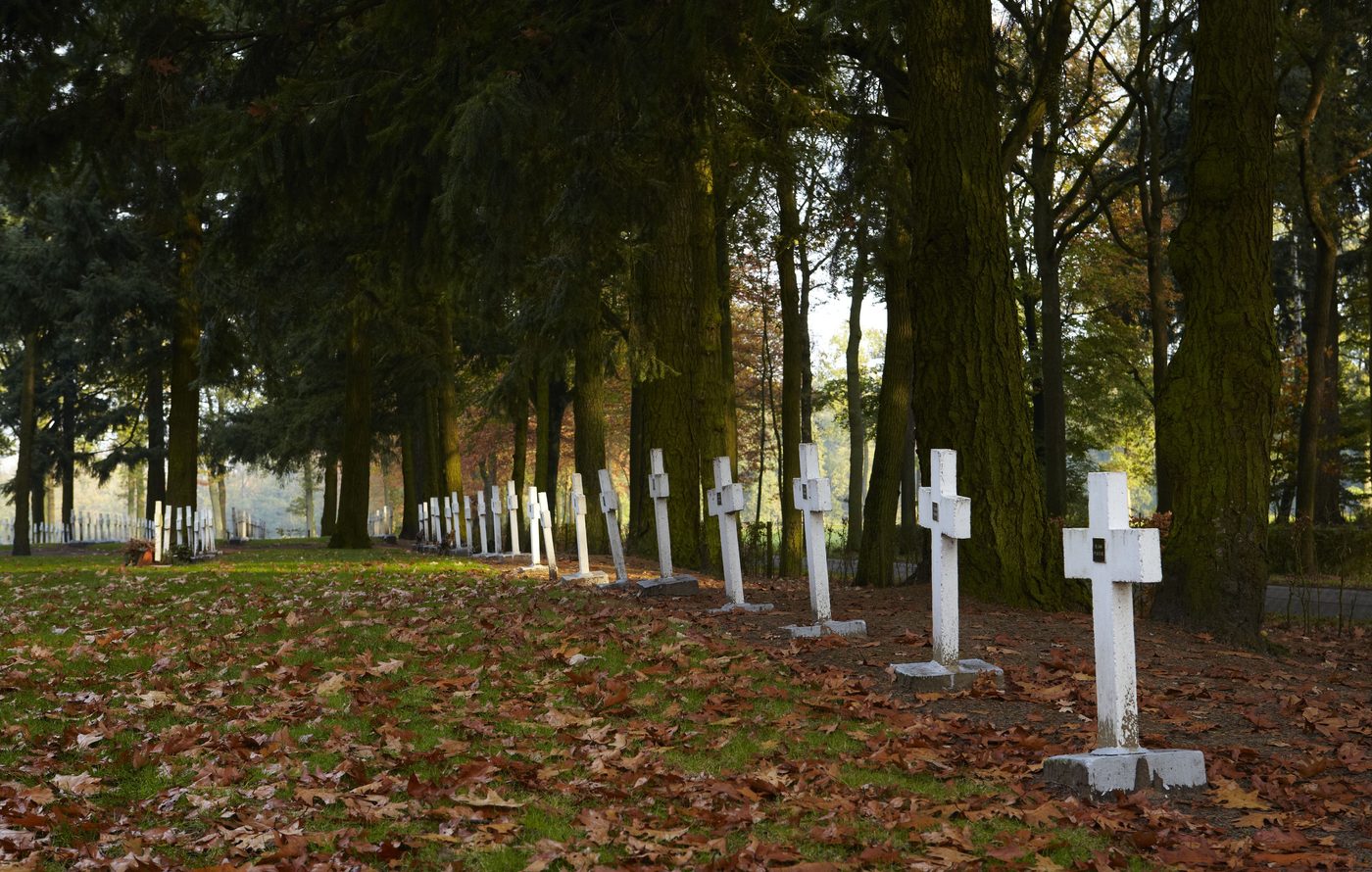 Show the image larger
Each bar is a month. Choose a bar to see who died then.